LANDFILL
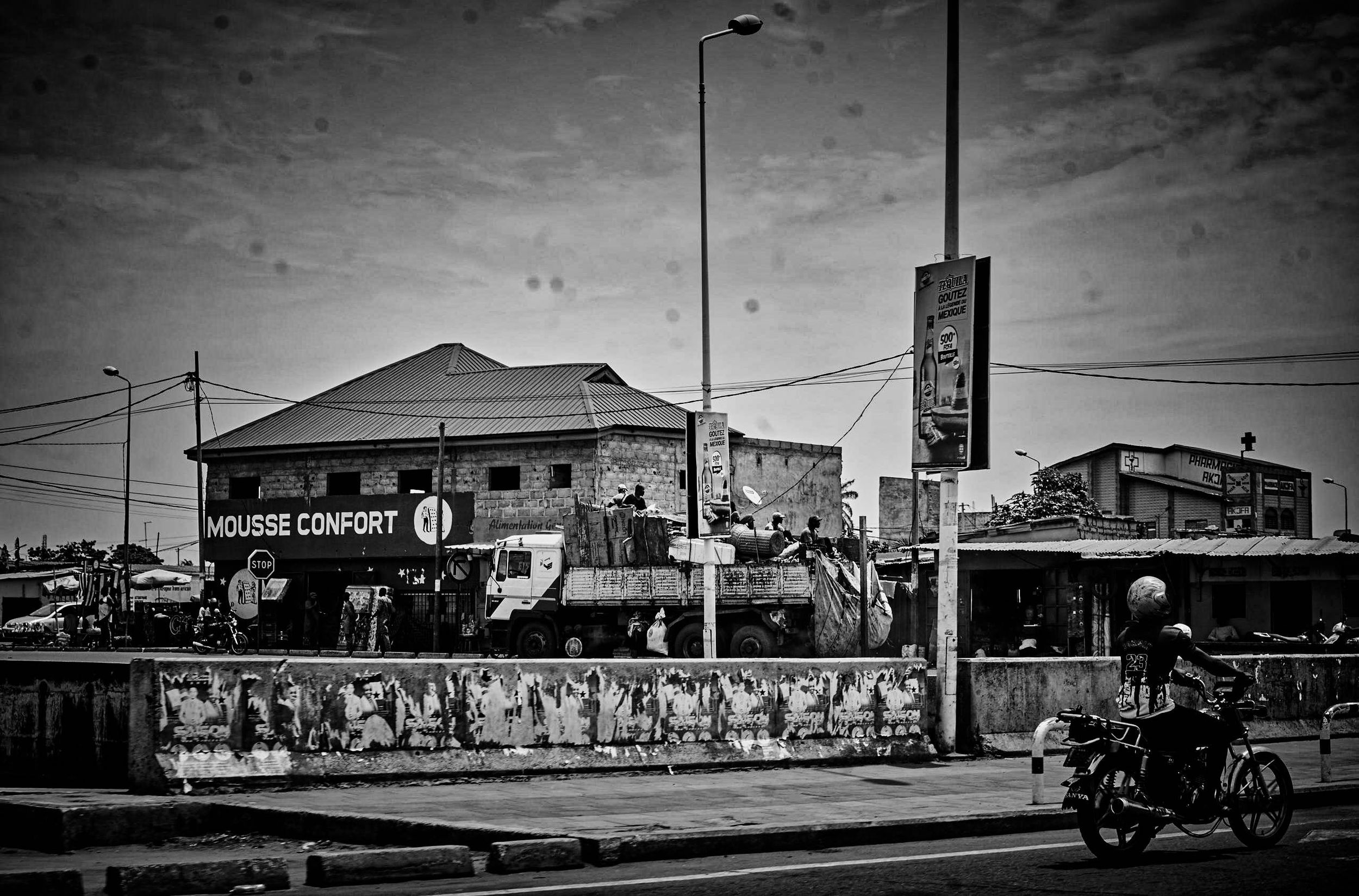
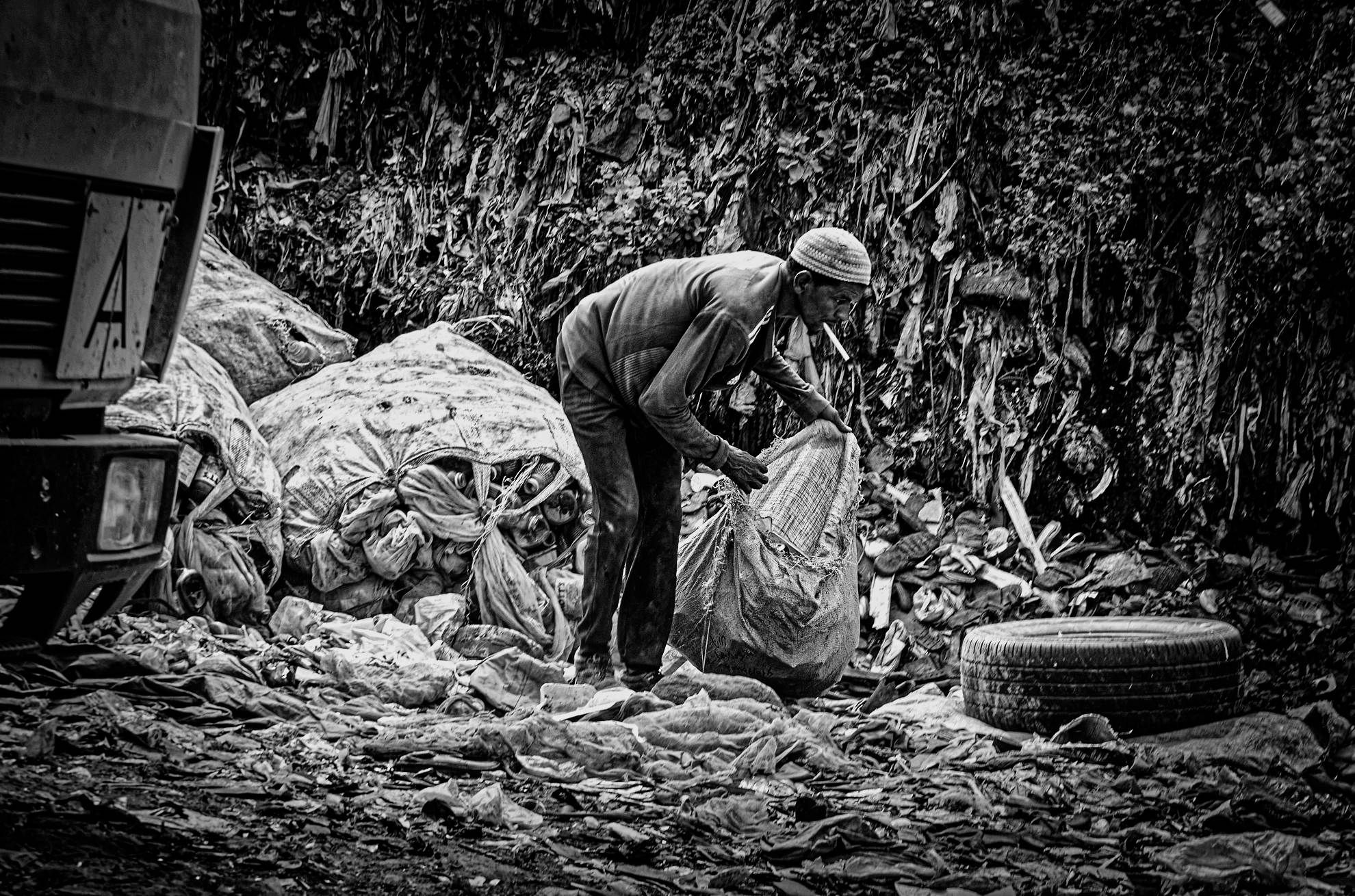
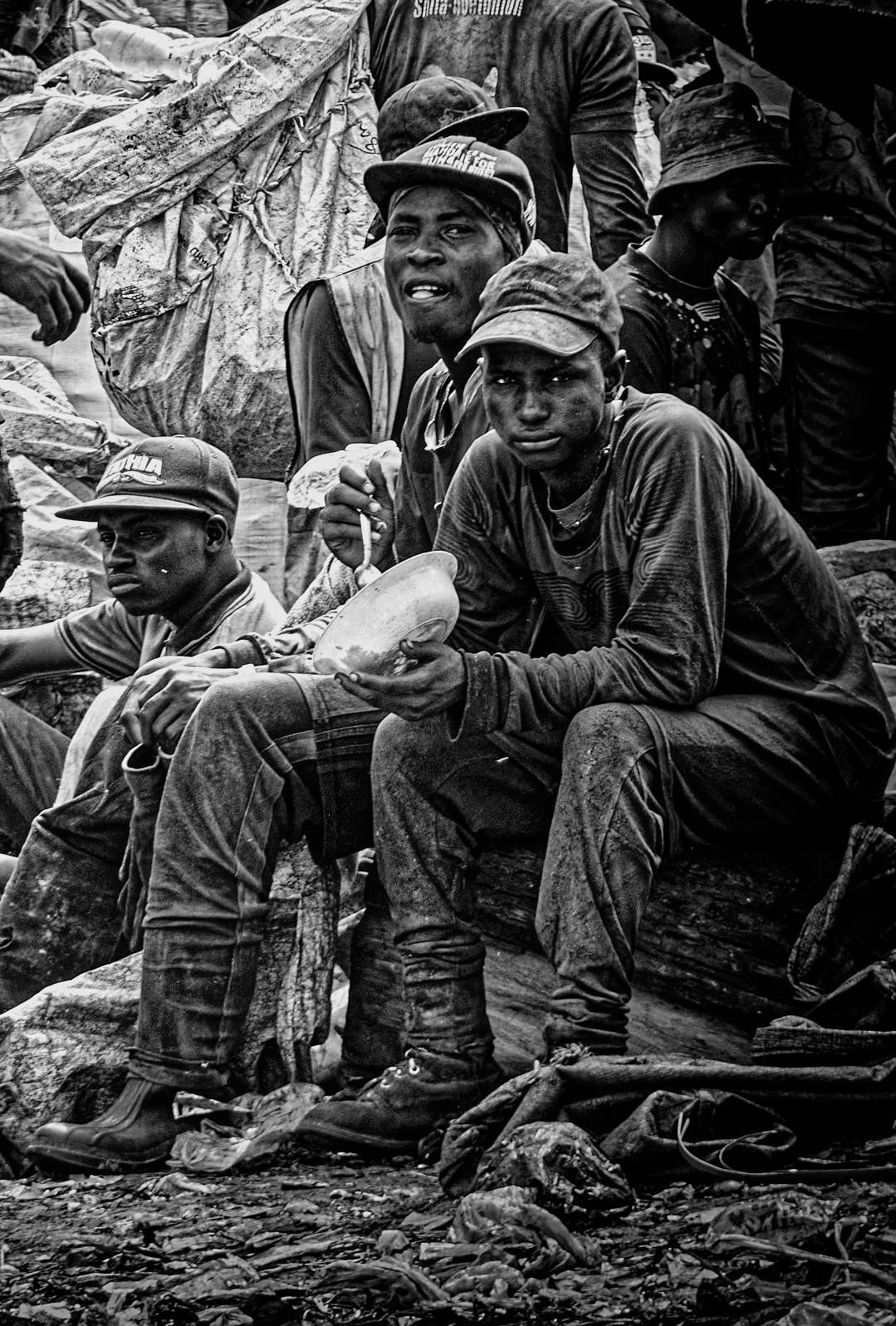
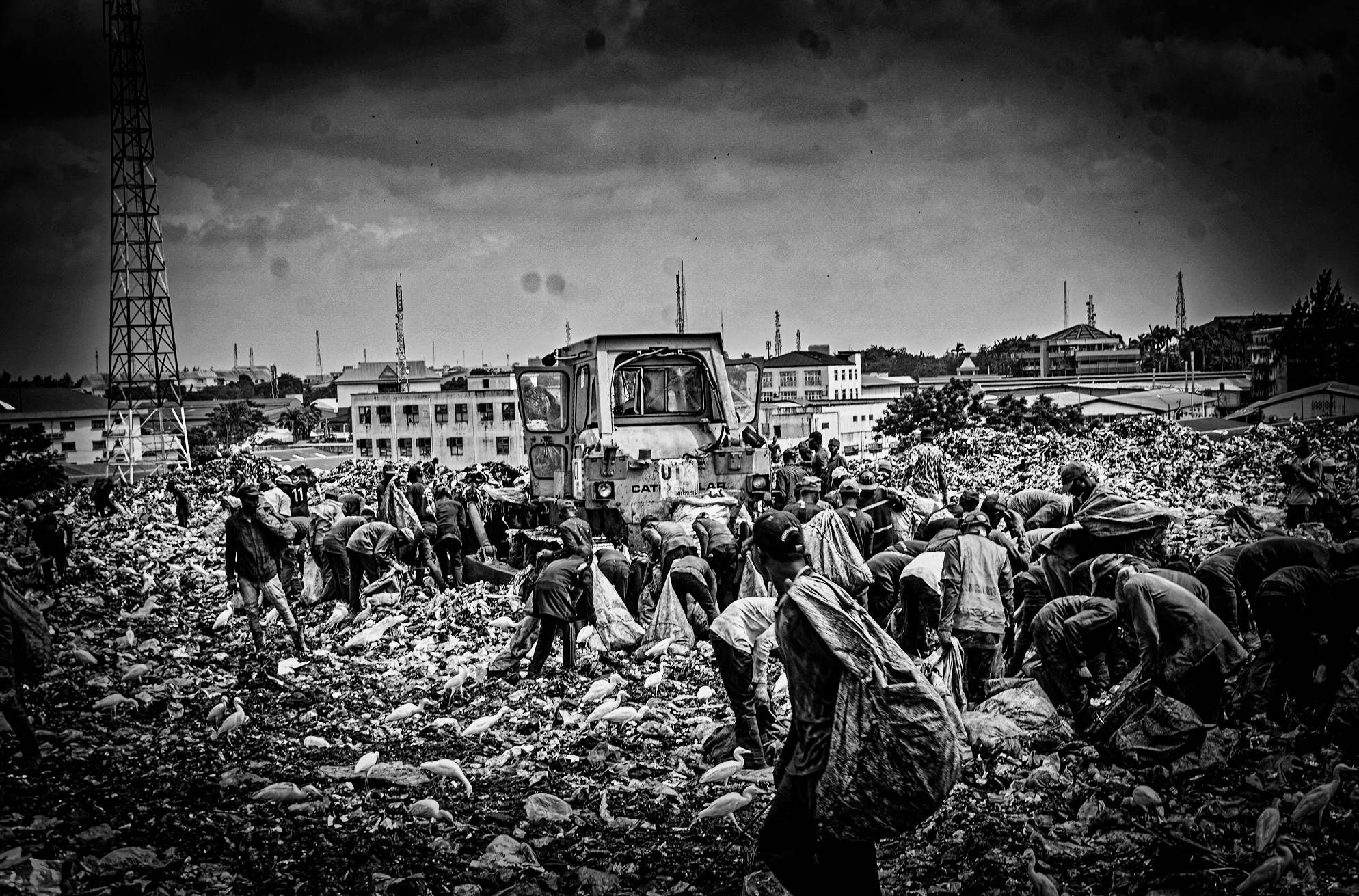
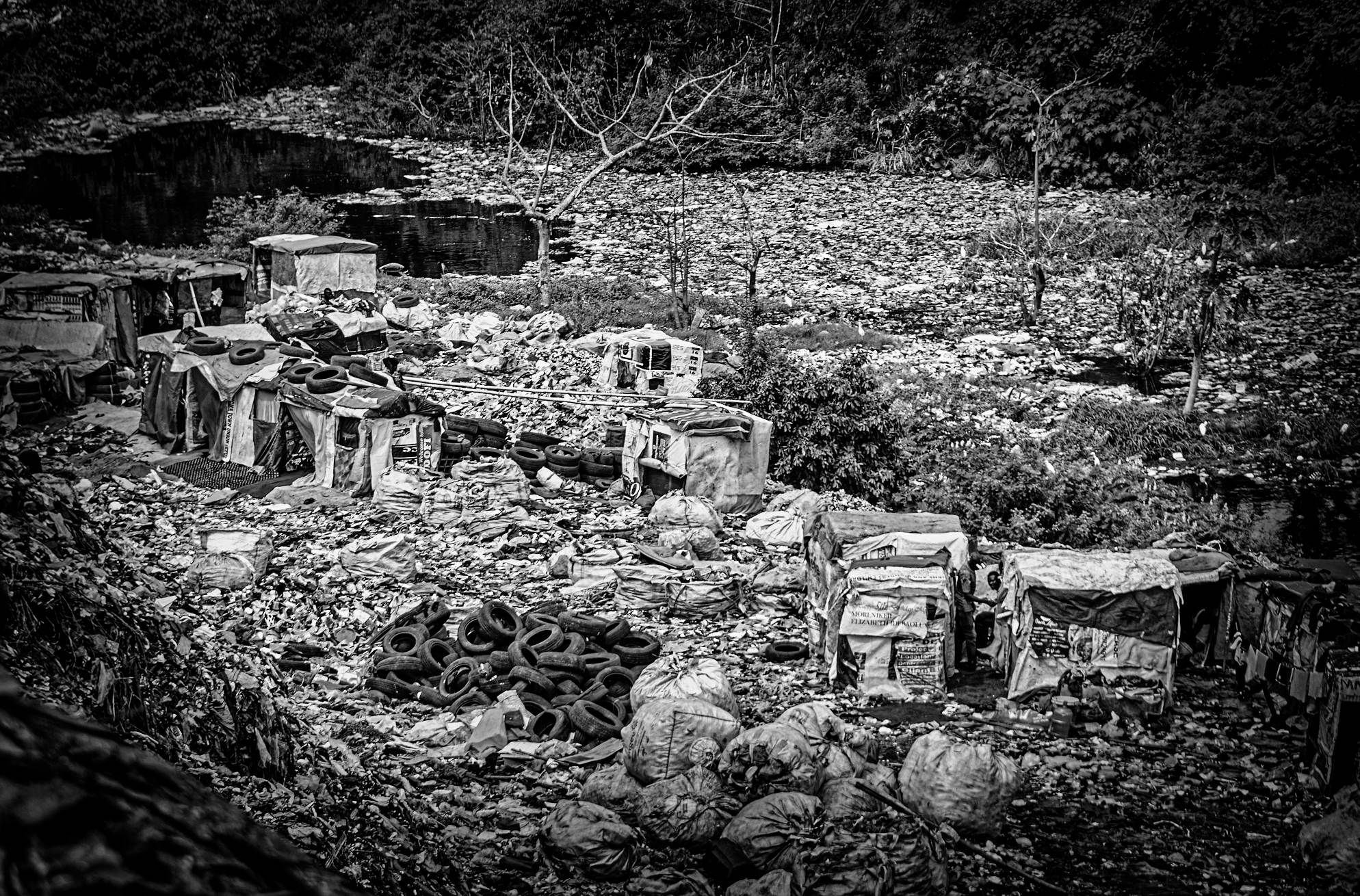
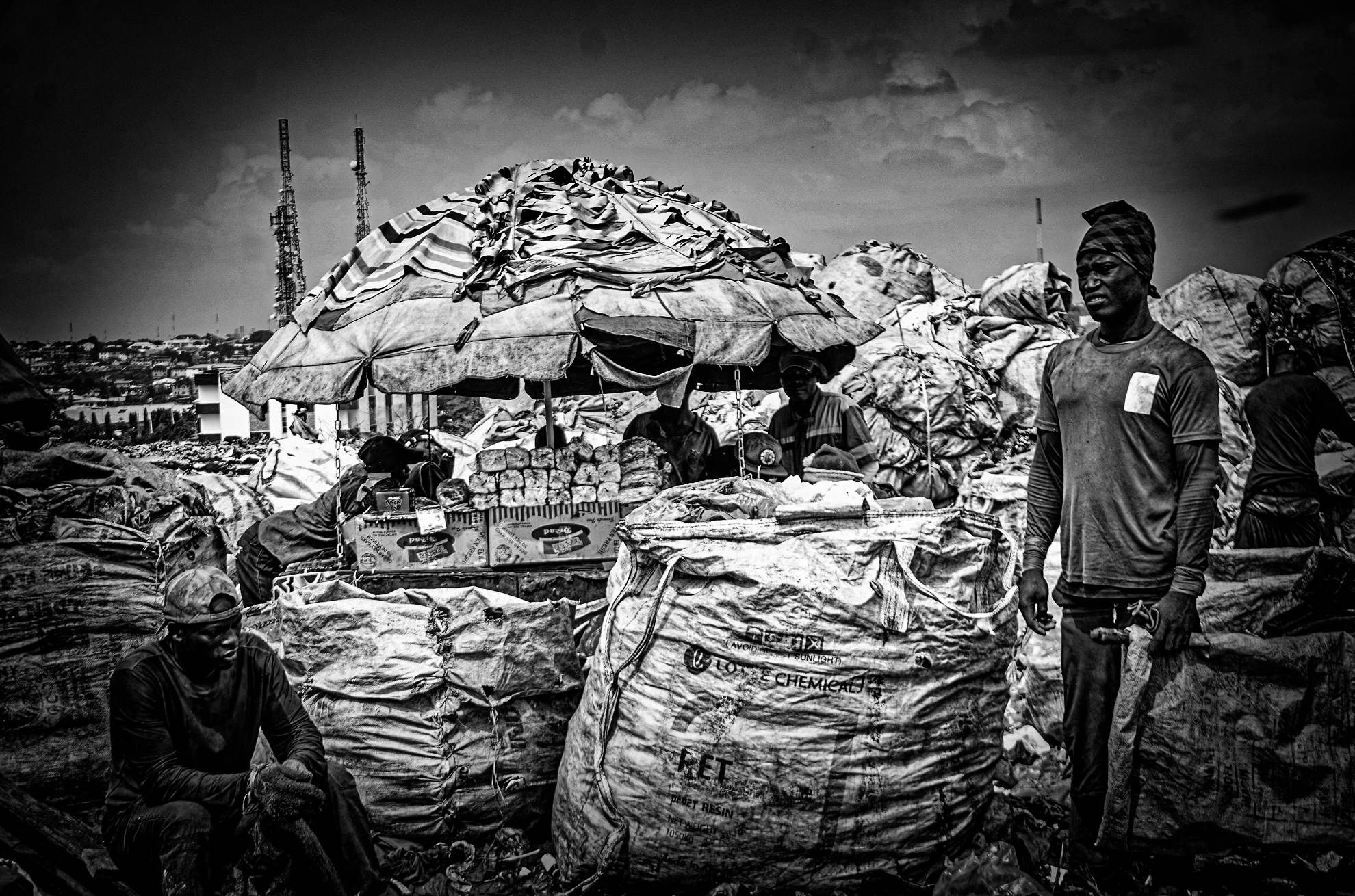
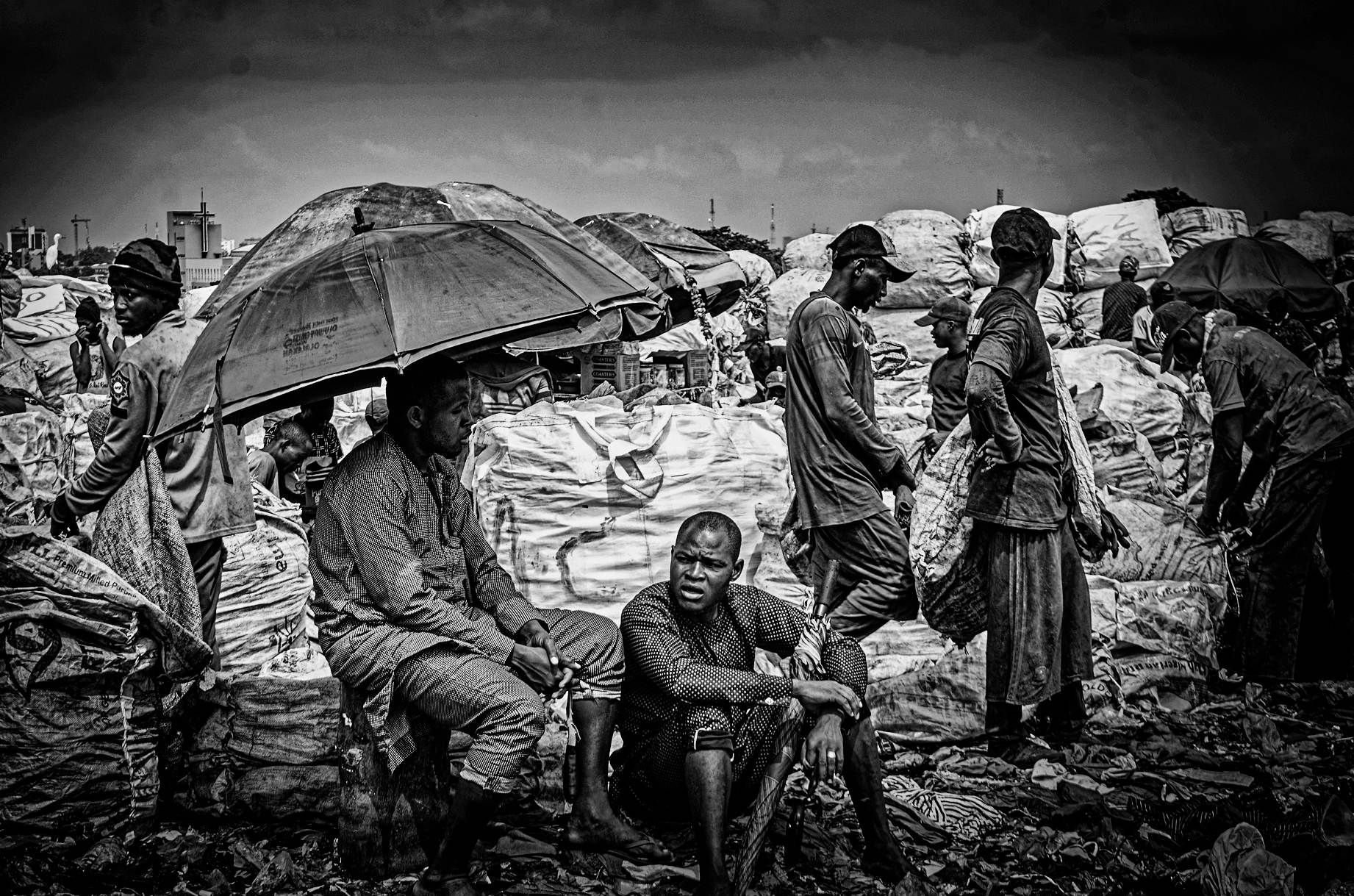
The Olusosun landfill has been operational in Lagos, south-western Nigeria, since 1950. The landfill is located at 6°35′ N and 3°45′ E. The landfill is now surrounded by residential, commercial, and industrial structures due to the rapid urbanization that has characterized Lagos. Low-income individuals who labor at the dump, scavenging for scrap to sell, inhabit approximately one thousand shacks at the location.
Located on 100 acres of land, the landfill is the largest landfill in Africa and one of the largest worldwide. In addition to collecting 10,000 metric tons of refuse per day, the site also receives waste from approximately 500 container ships, which includes a substantial amount of electronic waste. Some of this material is treated with chemicals in order to separate reusable products, resulting in the release of toxic fumes and the absorption of chemicals into the ground, which can be hazardous to the health of those working on the site as well as those living nearby.
Aside from people making a livelihood by scavenging scrap from the dump and sorting, burning, and recycling what they can, which is not the case at present because the items supposedly dumped there for burning are increasingly returning to the market, to the detriment of public health,
I decided to investigate the landfill because it poses a health hazard to those who work on the site, live nearby, and drive to work every day. According to research, the health of those who reside within five kilometers of a landfill site is at risk. Inhabitants residing near landfills exhibited respiratory symptoms. These were associated with the inhalation of endotoxin-producing microorganisms and aerosols from waste collection and landfilling. Other risks associated with living near sites include fire and explosions, which can lead to the release of hazardous emissions such as formaldehyde, hydrogen cyanide, hydrogen sulfide, and nitrogen oxides. Diseases transmitted by mosquitoes, flies, and vermin endanger children who play on or near the dumpsite.
It has also been determined that water-borne diseases such as typhoid, dysentery, fatigue, and cholera are among the most prevalent maladies among residents.
The problems of waste generation and management have a significant impact on climate change. According to the United Nations, climate change refers to long-term alterations in the Earth's average temperature and precipitation. The combustion of fossil fuels (such as coal, oil, and gas), which produces heat-trapping gases, has been the primary driver of climate change since the 1800s.
Landfills impact the environment and contribute to climate change. As a result of the waste disposed of there, which poses a greater risk due to the emissions produced in the open dump and the high levels of methane and carbon dioxide produced by waste decomposition.
With this initiative, I hope to shed light on the environmental effects of landfills and give a voice to marginalized communities living near these sites. The initiative highlights the social, economic, and health consequences endured by those who reside on the waste's periphery. By documenting their lives through environmental portraits and daily activities, their stories can be preserved. I intend to amplify their perspectives, cultivate empathy, and advocate for environmental justice.
I urge the audience to reconsider their relationship with pollution and adopt a more conscientious and accountable approach to consumption. I believe we can rewrite the narrative surrounding our disposable culture and aspire for a more sustainable and harmonious coexistence with the environment if we work together.